

Tamang Buddhist Federation Nepal | September 7, 2025
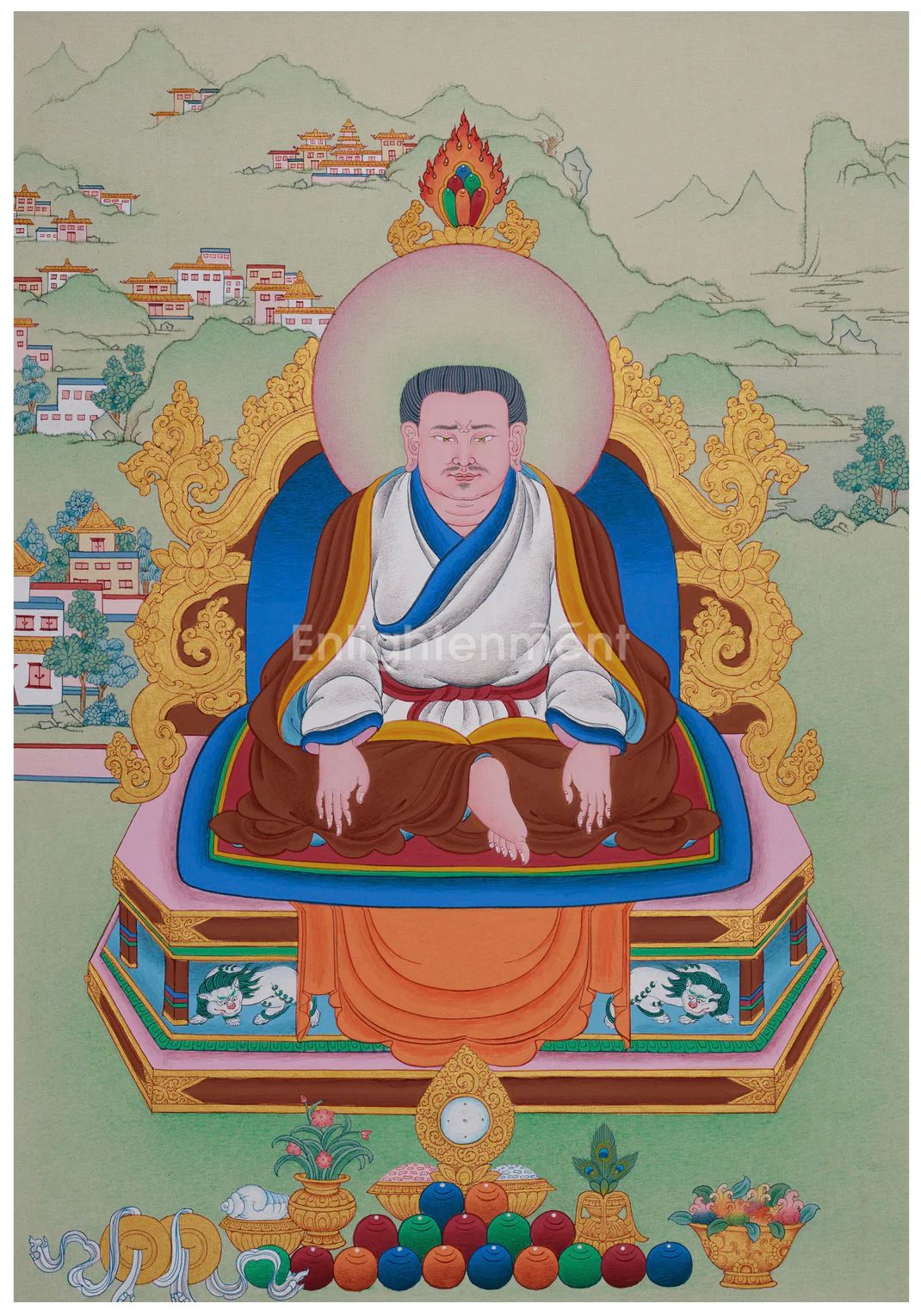
Kagyu Tradition in Buddhism
The term Kagyu comes from two Tibetan words:
Ka (བཀའ་) = oral teachings, instructions.
Gyu (བརྒྱུད་) = lineage or transmission.
Thus, Kagyu literally means “Lineage of Oral Instructions.”
Origin
The Kagyu lineage traces back to the great Indian Mahasiddha Tilopa (988–1069).
Tilopa transmitted the teachings to his disciple Naropa (1016–1100).
Naropa’s disciple The Great master Marpa Lotsawa (1012–1097), a Tibetan translator, brought these teachings from India to Tibet.
Marpa’s student, the great yogi and poet Milarepa (1040–1123), became one of Tibet’s most beloved spiritual masters.
Milarepa’s disciple Gampopa (1079–1153) systematized the lineage by combining yogic teachings with the monastic tradition, establishing the Kagyu school as an organized tradition.
Key Characteristics Emphasis on Meditation and Direct Experience The Kagyu tradition is often called the “Practice Lineage.”
Its foundation is the direct experience of meditation and oral transmission from master to disciple. Principal Practices Mahamudra (ཕྱག་ཆེན་) – meditation that directly realizes the true nature of the mind.
The Six Yogas of Naropa – advanced yogic practices, including tummo (inner heat), dream yoga, bardo practices, and others. Devotion to the Guru Great importance is placed on the master–disciple relationship.
Receiving teachings directly, applying them in practice, and realizing them experientially are central.
Sub-schools
After Gampopa, the Kagyu tradition branched into several sub-schools, including:
Karma Kagyu – led by the successive Karmapas (the first reincarnate lama lineage in Tibet).
Drukpa Kagyu – the dominant tradition in Bhutan.
Drikung Kagyu, Taklung Kagyu, Barom Kagyu, Shangpa Kagyu, and others.
Historical Importance
By the 12th century, the Kagyu teachings had spread widely across Tibet.
The songs and spiritual poetry of Milarepa deeply shaped Tibetan Buddhist culture.
The Karmapa lineage became especially influential as the first tulku (reincarnate lama) system in Tibet.
Present Day
Today, Kagyu remains one of the most influential traditions of Tibetan Buddhism, with strong communities in Tibet, Nepal, Bhutan, India, and around the world.
The Karma Kagyu school is led by the 17th Karmapa, with two widely recognized incarnations: Ogyen Trinley Dorje and Thaye Dorje.
In Bhutan, the Drukpa Kagyu is the official state religion.
In short, the Kagyu tradition is a major school of Tibetan Buddhism, based on meditation, direct realization, guru–disciple transmission, and the profound practices of Mahamudra and the Six Yogas, continuing an unbroken lineage of living practice to the present day.
Categories: Kagyu
Tags:
April 27, 2026
April 20, 2026


March 27, 2026

March 24, 2026